10 Ways to Storm-Proof Your Roof Before Severe Weather Hits
When severe weather rolls in, your roof is your home’s first line of defense. High winds, hail, heavy rain, and falling debris can all cause serious damage that leads to costly repairs, water intrusion, and structural issues. The good news is that proactive maintenance can dramatically reduce your risk.
Whether you’re preparing for hurricane season, strong thunderstorms, or winter storms, these storm-proofing tips can help protect your property and extend the life of your roof.
1. Schedule a Professional Roof Inspection
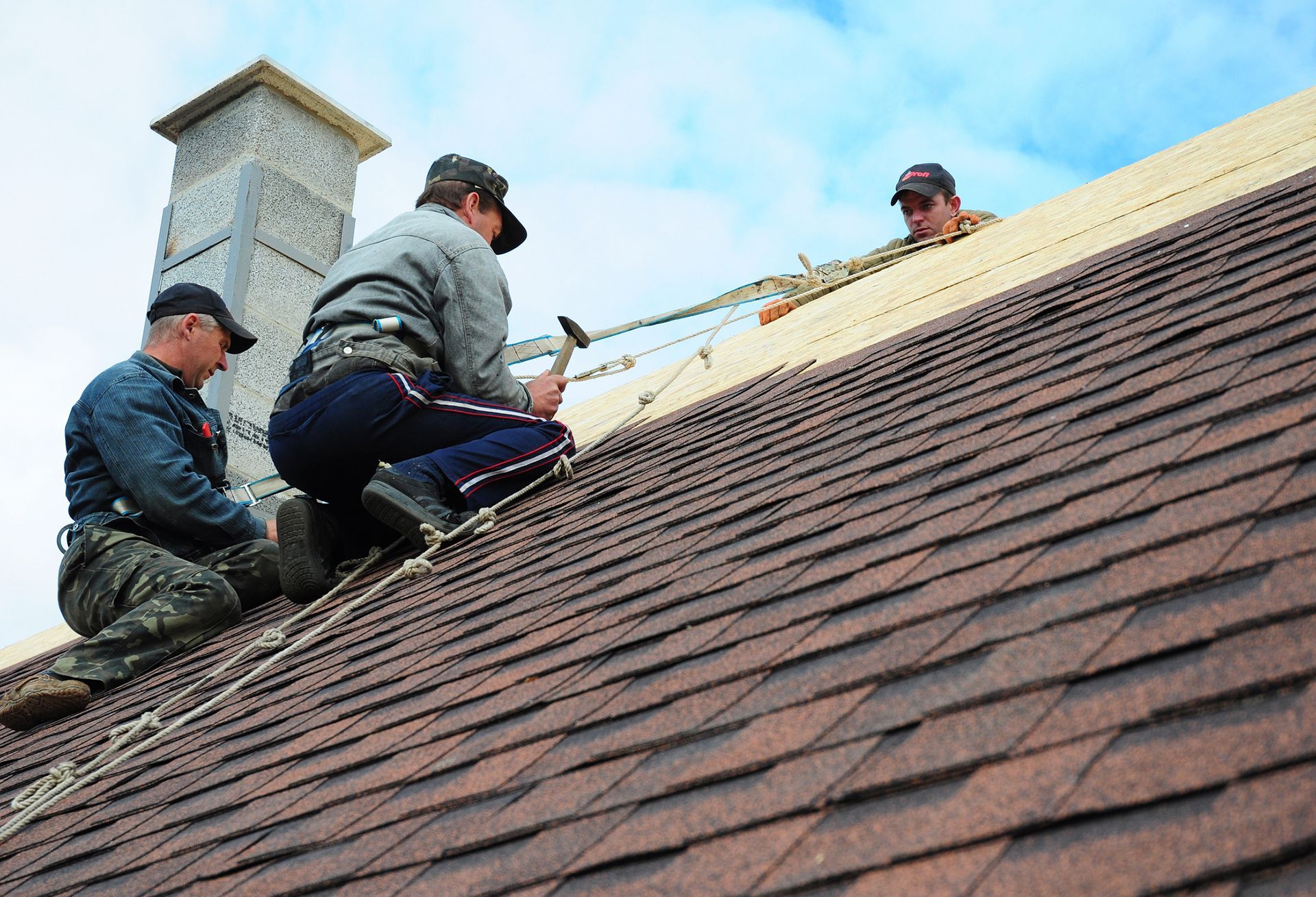
One of the smartest ways to prevent storm damage is to have your roof professionally inspected before severe weather season begins. Small problems like cracked shingles, loose flashing, or soft spots can quickly become major leaks during a storm.
A roofing professional can identify vulnerabilities early and recommend repairs before the weather turns dangerous.
2. Replace Missing or Damaged Shingles
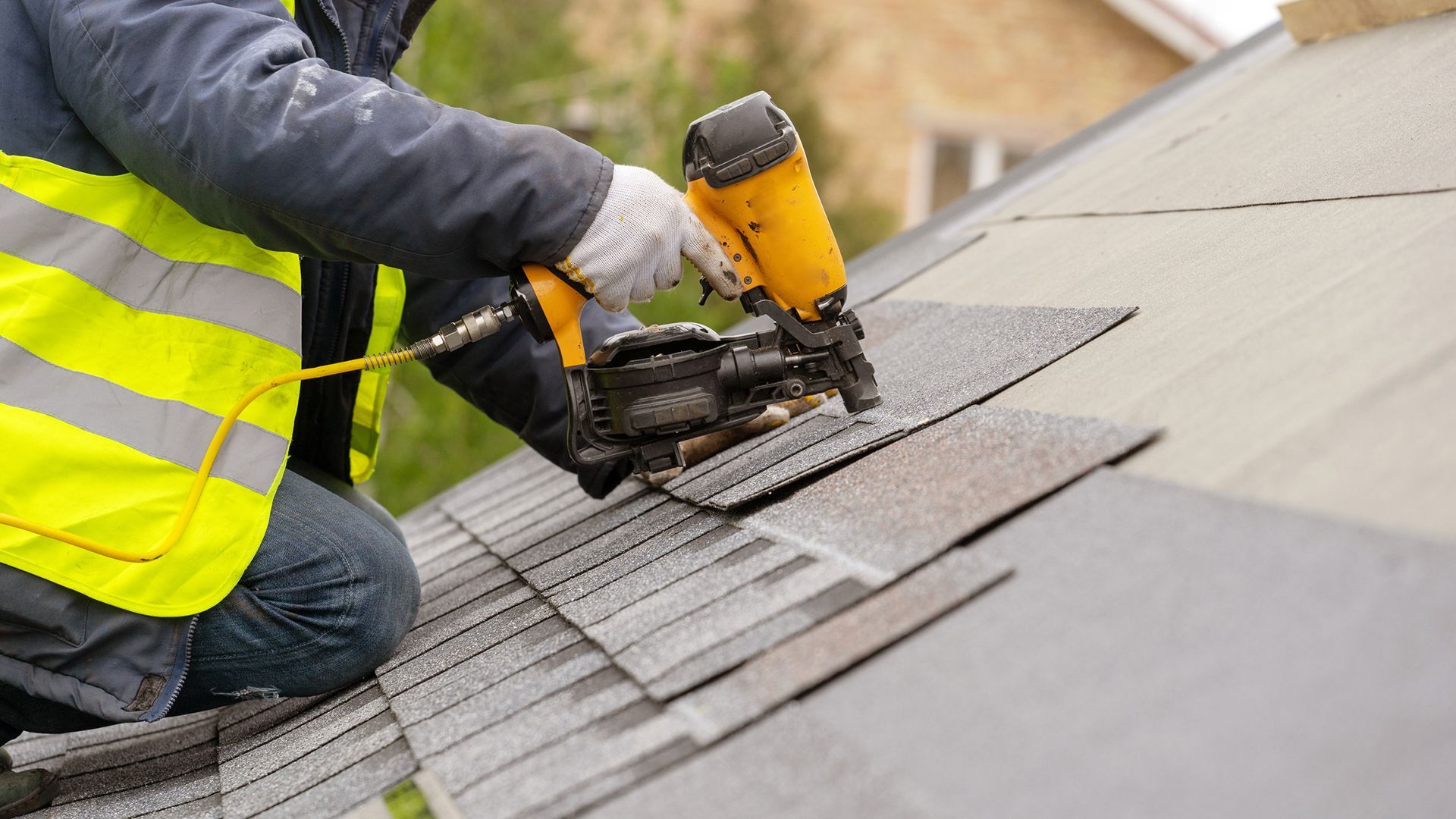
Loose, curling, or missing shingles leave your roof exposed to wind and water penetration. Strong winds can easily lift compromised shingles and create openings for rain to enter your home.
If you notice:
- Bare spots
- Cracked shingles
- Curling edges
- Granule loss
- Lifted tabs
…it’s time to repair or replace them before the next storm arrives.
3. Reinforce Roof Flashing
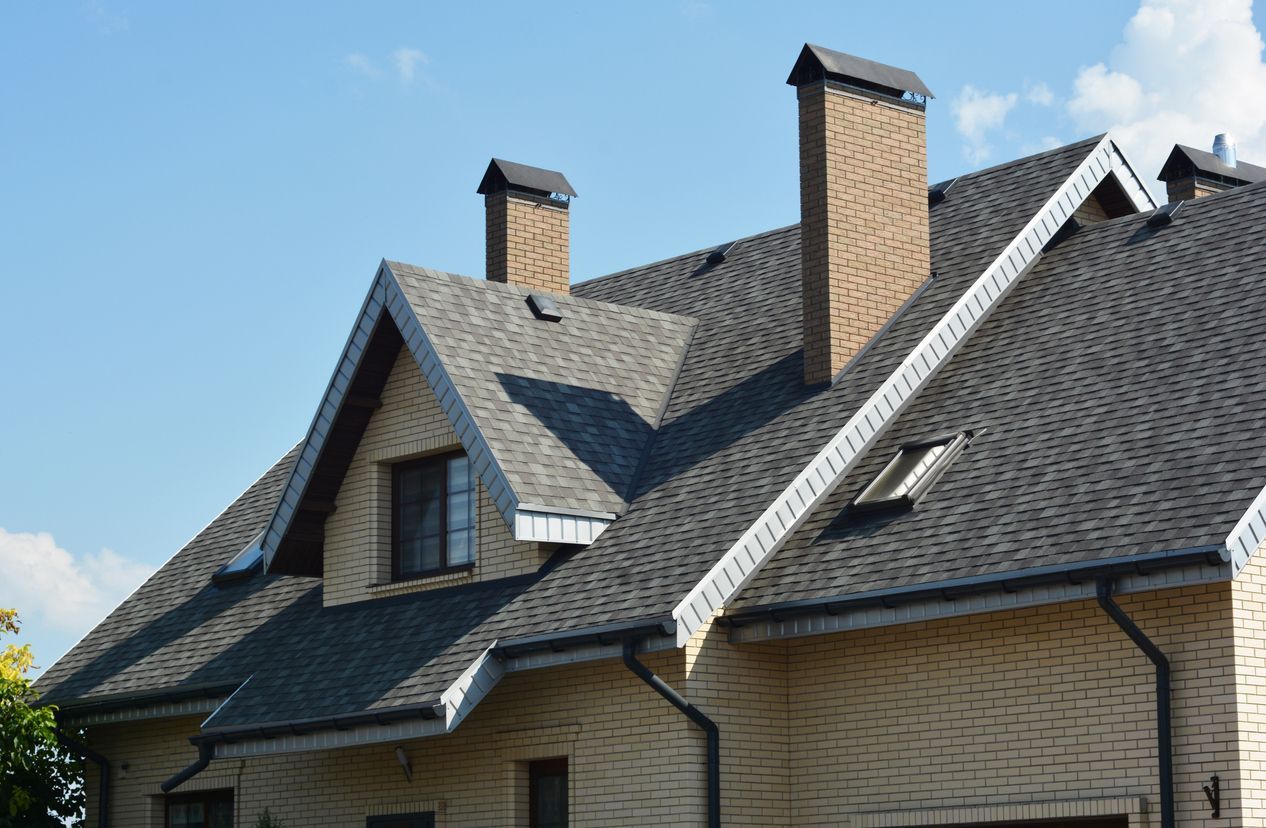
Flashing seals the vulnerable areas around roof penetrations like chimneys, skylights, vents, and valleys. Damaged or improperly installed flashing is one of the most common causes of roof leaks during storms.
Check for:
- Rusted metal
- Loose flashing sections
- Cracks in the sealant
- Gaps around penetrations
Replacing deteriorated flashing can significantly reduce your chances of storm-related water damage.
4. Clean and Maintain Your Gutters
Clogged gutters prevent rainwater from draining properly, causing water to back up onto the roof. During heavy storms, overflowing gutters can lead to roof leaks, fascia damage, and foundation problems.
Before storm season:
- Remove leaves and debris
- Check for sagging sections
- Ensure downspouts drain properly
- Repair loose fasteners
Installing gutter guards can also help reduce future buildup.
5. Trim Nearby Trees and Branches
Overhanging tree limbs are a major threat during high winds and storms. Falling branches can puncture roofing materials, damage gutters, and even compromise the structure of your home.
Trim back branches that:
- Hang over the roof
- Touch shingles
- Appear weak or dead
- Could break during strong winds
Keeping trees maintained reduces the risk of sudden impact damage.
6. Check Your Attic Ventilation and Insulation
Proper attic ventilation helps regulate temperature and moisture levels, which protects your roofing system year-round. Poor ventilation can weaken roofing materials over time and increase vulnerability during storms.
Signs of ventilation problems include:
- Excess attic heat
- Mold or mildew
- Moisture buildup
- Ice dams in winter
- Premature shingle deterioration
A well-balanced attic system helps preserve the structural integrity of your roof.
7. Secure Loose Roof Components
High winds can rip away unsecured roof components, creating dangerous hazards and exposing your home to water damage.
Inspect and secure:
- Ridge caps
- Satellite dishes
- Solar panel mounts
- Roof vents
- HVAC units
- Antennas
If anything appears loose or unstable, address it immediately before severe weather hits.
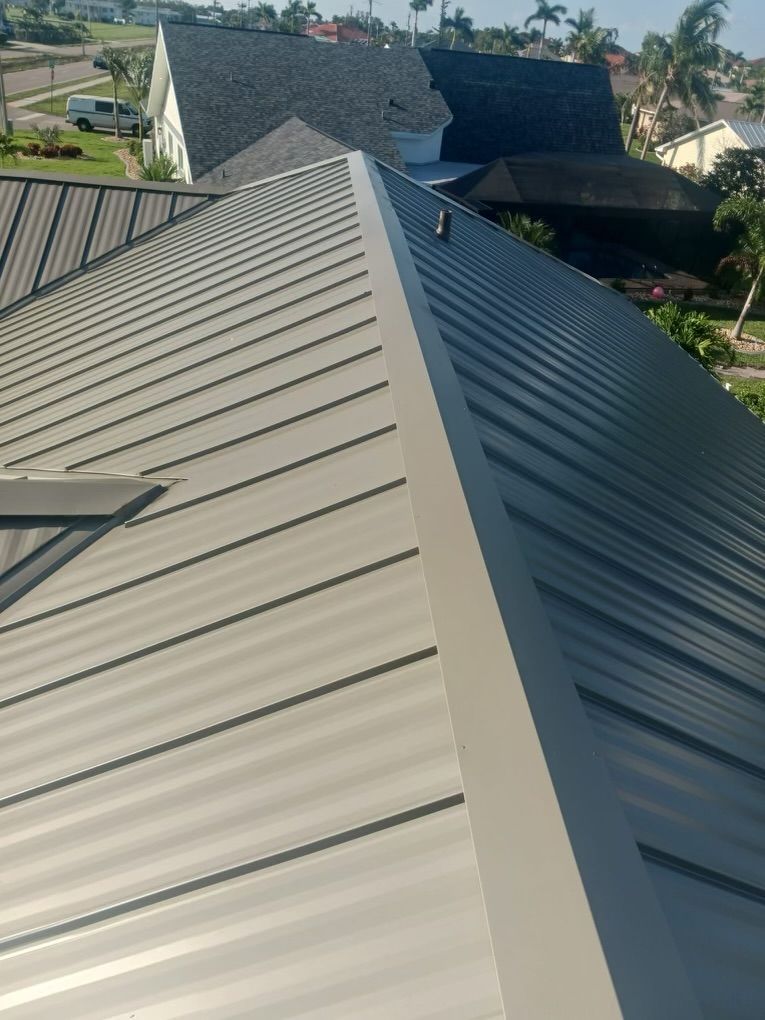
8. Upgrade to Impact-Resistant Roofing Materials
If your roof is aging or due for replacement, consider investing in impact-resistant shingles or metal roofing designed for severe weather conditions.
Modern roofing materials are specifically engineered to withstand harsh weather conditions more effectively than older systems.
9. Inspect for Signs of Water Damage
Water stains, mold growth, peeling paint, or sagging ceilings can indicate hidden roof leaks. Even small leaks can worsen dramatically during storms.
Look for warning signs such as:
- Brown ceiling stains
- Damp insulation
- Mold in attic spaces
- Soft drywall
- Musty odors
Addressing minor leaks early can help prevent extensive storm damage repair costs later.
10. Have an Emergency Roof Repair Plan
Storms can strike unexpectedly, so it’s important to know who to call if damage occurs. Waiting too long after storm damage can allow leaks and structural issues to worsen.
Having a reliable roofing company already selected can save valuable time during an emergency.
Need Storm Damage Repair or Roof Protection Services?
If your roof needs an inspection, repairs, or storm-proofing upgrades, the team at Spires Roofing LLC is here to help. Our experienced roofing professionals provide reliable inspections, preventative maintenance, and storm damage repair services to keep your home protected year-round.
Don’t wait until severe weather causes costly damage. Schedule your roof inspection now and make sure your home is ready for the next storm. We proudly serve the Arcadia, Highlands County, Lake Placid, and Sebring, FL areas.